


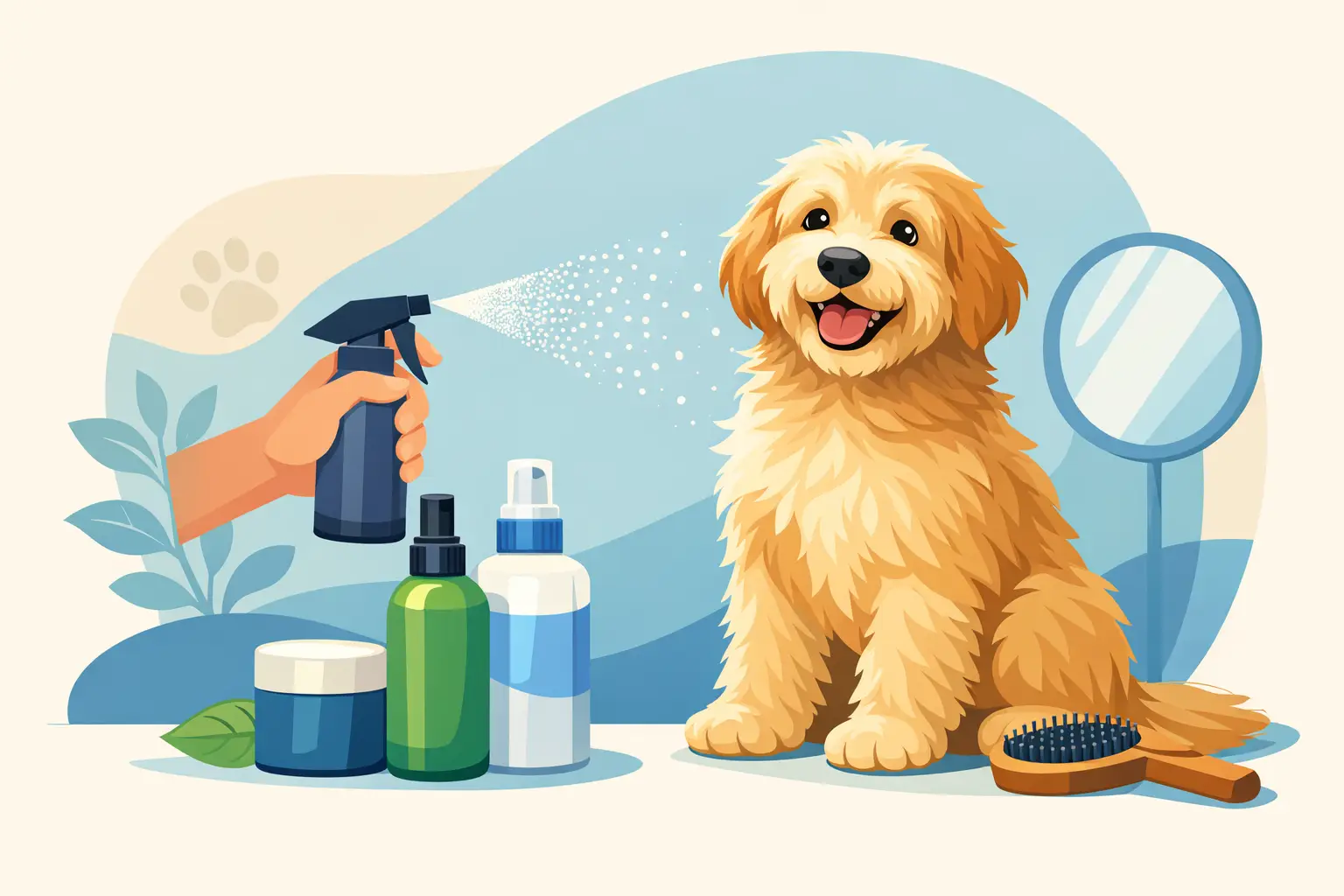
Dog Groomer Recommended Coat Spray Picks
A good dog groomer recommended coat spray earns its spot fast – usually the moment a brush glides through a knotty chest, a fluffy bum looks less feral, or your dog stops smelling like damp backyard in under 30 seconds. Not every coat spray deserves that kind of loyalty, though. Some are all perfume and no performance, while others leave the coat heavy, sticky or oddly flat.
If you want that fresh-from-the-salon feel at home, the right spray should do more than mask odour. It should help with manageability, support coat condition, add softness or shine, and suit your dog’s coat type without irritating the skin. That’s the sweet spot groomers look for, and it’s exactly why one spray can be brilliant on a Cavoodle and a terrible choice for a double-coated Shepherd.
What makes a dog groomer recommended coat spray worth buying?
Professional groomers are fussy for a reason. They use products day in, day out, on different coat textures, ages and temperaments. A coat spray has to perform consistently, not just smell nice for five minutes and disappear before the car ride home.
The first thing groomers usually judge is slip. That means how well the product helps the brush or comb move through the coat without dragging. Good slip can reduce breakage, make de-matting gentler and cut down grooming time. For pet parents, that matters because a dog who hates brushing often hates it less when the brush stops snagging every few seconds.
The second thing is finish. A quality spray should leave the coat feeling clean, light and touchable. Not greasy. Not crunchy. Not like you accidentally used human hair spray on the dog. If the coat feels coated rather than conditioned, that’s usually a sign the formula is doing too much on the surface and not enough to support softness and manageability.
Then there’s ingredient quality. Groomers and switched-on dog owners are increasingly wary of formulas packed with harsh fillers or heavy silicones that create fake shine while building up over time. A pH balanced formula made for dogs is the safer bet, especially if your pup has sensitive skin or gets groomed often.
The coat spray that suits your dog depends on the coat
This is where things get real. There is no single miracle bottle for every dog, no matter how glossy the label looks.
For curly or oodle coats
Curly coats tend to tangle quickly, especially around the ears, legs, tail and harness zones. A lightweight detangling coat spray is usually the best fit here. You want moisture and slip without making the coat limp. Too rich, and the curl pattern can drop or the coat can grab dirt faster between baths.
For these dogs, groomers often prefer a spray that helps with daily brushing and keeps the coat fresh between appointments. Fragrance is a bonus, but detangling performance is the real headline.
For long silky coats
Think Maltese, Shih Tzus or Yorkies. These coats can look stunning, but they show dryness, static and split ends fast. A dog groomer recommended coat spray for silky coats should smooth the hair, reduce flyaways and add shine without looking oily. The trick is balance. A spray that is too light might do nothing, while one that is too rich can separate the coat and make it look dirty sooner.
For short coats
Short-coated dogs still benefit from a coat spray, just in a different way. You’re not usually dealing with mats, but you may want help with shine, freshness and coat feel. A fine mist conditioning or deodorising spray can lift the whole grooming routine, especially for dogs that shed, get a bit whiffy, or spend half their life rolling in things you’d rather not identify.
For double coats
Retrievers, Shepherds, Huskies and similar breeds need a lighter hand. Anything too heavy can sit on top of the coat and make blow-drying or brushing harder. Groomers generally look for a spray that supports coat movement and freshness without clogging the texture. Double coats are meant to do a job, so the product should respect that instead of smothering it.
What to look for on the label
A polished bottle means nothing if the formula doesn’t back it up. When choosing a coat spray, start with how it functions, then look at what’s inside.
A dog-specific pH balanced formula matters because canine skin is different from human skin. Products made for people can throw that balance out and leave the skin dry or irritated. If your dog already gets itchy, flaky or red after grooming, this should be non-negotiable.
Vegan and cruelty-free formulations matter to plenty of modern pet households too, and fairly so. If you’re buying premium, it makes sense to expect ethical standards as well as performance. The same goes for avoiding parabens, petroleum and unnecessary heavy ingredients that can leave the coat dull over time.
Fragrance also deserves a closer look. The best coat sprays smell clean and luxe without becoming overpowering. Your dog’s nose is far more sensitive than yours, so there’s a difference between a fresh signature scent and a cloud of dog perfume that takes over the lounge room.
When a scented spray helps – and when it doesn’t
We love a dog that smells outrageously good. No apologies. But scent alone should never be doing all the heavy lifting.
If your dog smells unpleasant again within a day, a fragrance spray might cover it briefly, but it won’t solve the cause. Oily skin, dirty bedding, damp coats, ears, teeth or underlying skin issues all need proper attention. A coat spray is best used as part of a grooming routine, not as a panic button after a muddy park run and a mysterious roll in the grass.
That said, a quality scented coat spray is fantastic between washes. It refreshes the coat, gives cuddle time a serious upgrade and helps your dog smell like they belong in a boutique, not under the Hills Hoist.
How groomers use coat spray properly
Technique matters more than people think. Even the best spray can disappoint if it’s used like air freshener.
Most groomers mist lightly rather than drench the coat. The aim is even distribution, not wet patches. Then they brush through in sections, especially on longer or denser coats. This helps the product spread properly and stops tangles tightening near the skin.
For knots, spraying directly onto the tangle and working gently with fingers or a comb is usually better than attacking it dry. If your dog has severe matting, though, coat spray is not a magic eraser. At some point, forcing the issue becomes uncomfortable for the dog, and a professional groom is the kinder move.
On a clean coat, a finishing spray can add softness and scent after drying. On a dry coat between baths, it can freshen and reduce static before brushing. What it shouldn’t do is replace bathing forever. We know. Tragic.
Signs your current coat spray isn’t cutting it
If brushing still feels like a wrestling match, the product may not have enough slip for your dog’s coat. If the coat looks greasy a day later, it may be too heavy. If the scent disappears instantly, the fragrance system may be weak. And if your dog starts scratching more after use, the formula simply may not agree with their skin.
There’s also the issue of build-up. Some sprays give a lovely immediate finish but slowly leave the coat feeling coated, dusty or harder to manage. That’s often when groomers switch to cleaner, lighter formulas that give visible results without residue.
Why premium coat spray often pays off
Cheap sprays can seem fine until you compare the result side by side. Premium formulas usually spread better, need less product per use and support the coat rather than sitting on top of it. That can mean easier brushing, better shine, less breakage and a fresher scent that actually lasts.
For households with high-maintenance coats, it can also mean fewer battles. That alone is worth a lot. If your dog needs regular grooming, using a better-quality spray between appointments can help maintain the coat properly and stretch out that salon-fresh look.
For groomers, better spray means faster prep, better finish and happier clients who bury their face in the coat and immediately ask what you used. Fair enough.
Brands that focus on dog-safe, Australian-made, vegan coat care with no silicones, parabens or petroleum tend to appeal for good reason. You get that premium feel without the formula shortcuts, which is exactly what many pet parents and professionals now expect from modern grooming.
Choosing the best dog groomer recommended coat spray for your routine
Start with your dog, not the trend. A low-maintenance short coat may only need a freshening spray with a soft finish. An oodle in full fluff mode probably needs a detangling spray with real brushing support. A showier silky coat may need shine and smoothness without weight.
Then think about frequency. If you’ll use it most days, the formula needs to be gentle and light. If you only want a finishing touch after baths, scent and shine may matter more. If your dog is sensitive, keep the ingredient list clean and avoid anything that feels overly intense.
The best choice is usually the one that makes grooming easier, keeps the coat feeling healthy and has your dog smelling ridiculously good without overdoing it. That’s the standard. Not just nice packaging. Not just a cute name. Real performance, proper coat support and a finish that says this dog has standards.
If your pup is due for a grooming upgrade, coat spray is one of the simplest ways to get there – a small step that makes the brush-out smoother, the cuddles better and the whole dog a bit more fabulous.