



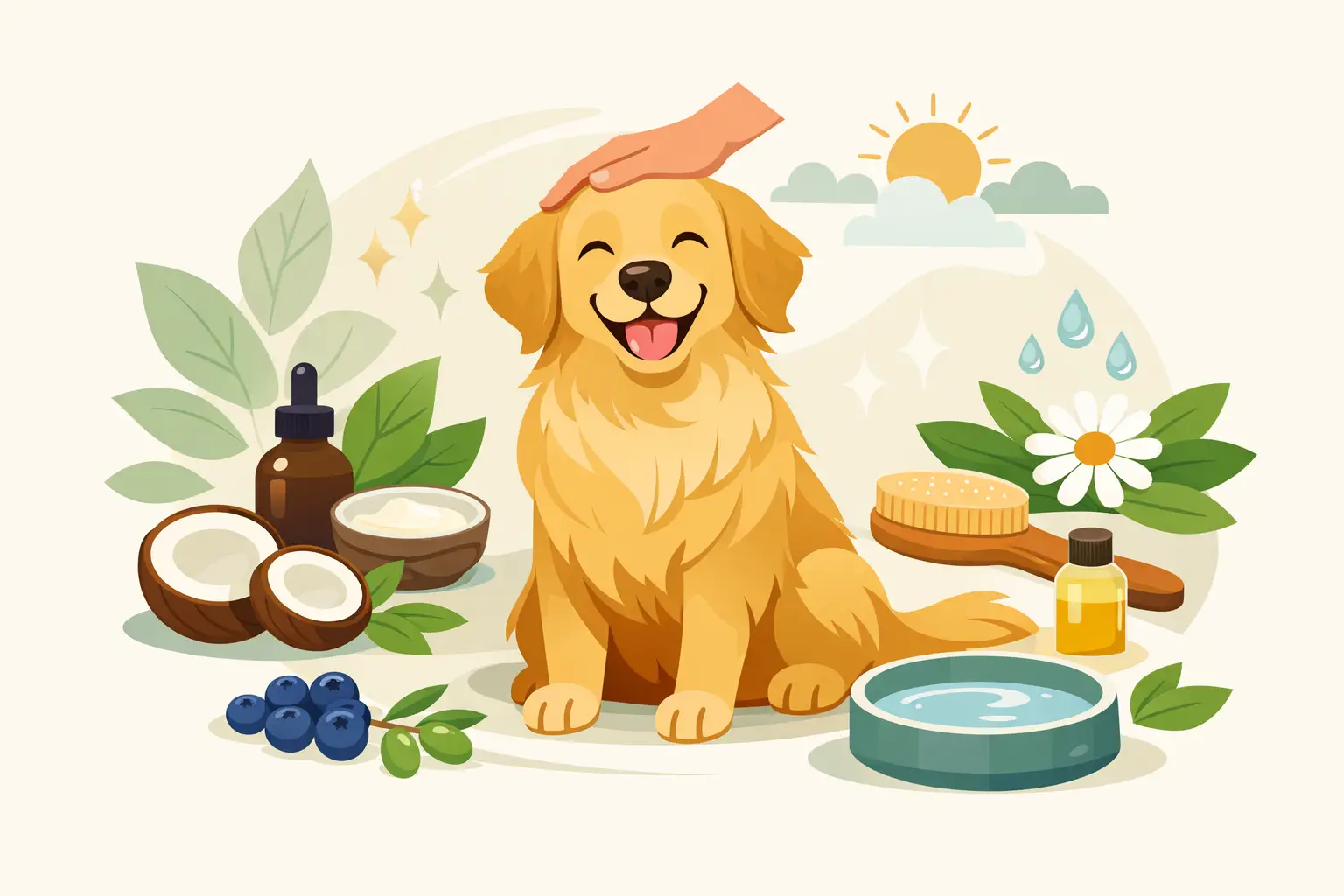
How to Soften a Dogs Coat Naturally
That rough, wiry, crunchy feeling when you run your hand over your dog’s back? Not exactly cuddle bait. If you’ve been wondering how to soften a dogs coat, the fix is usually less about one miracle product and more about getting the grooming routine right from start to finish.
A soft coat starts with coat health, not just scent or shine. When the skin is dry, the shampoo is too harsh, or the coat is holding onto dirt and old product, fur can feel stiff, dull or coarse even after a bath. The good news is that most dogs can get noticeably softer with a few smart changes and a little consistency.
Why your dog’s coat feels rough in the first place
Not every rough coat is a problem. Some breeds naturally have a harsher texture, especially terriers, double-coated working breeds and dogs with wiry or weather-resistant coats. You’re not trying to turn every dog into a fluffball. You’re aiming for a coat that feels healthy, clean and conditioned for that dog’s natural type.
If the texture has changed, that’s when it’s worth paying attention. A coat can feel hard or brittle because of overwashing, under-rinsing, low-quality grooming products, dry skin, seasonal changes, too much sun, saltwater, chlorine, diet issues or a build-up of dirt and oils. Even brushing habits matter. If loose hair and debris are sitting in the coat, softness drops fast.
There’s also a big difference between soft and greasy. Some owners keep adding oils or heavy conditioning sprays, hoping for silkier fur, then end up with a coat that feels tacky and attracts more grime. Softer is about balance.
How to soften a dogs coat without overdoing it
The best place to start is bath day. A proper wash can completely change the way a coat feels, but only if the products and process work with your dog’s skin instead of stripping it.
Use a dog shampoo that is pH balanced and designed specifically for canine skin. Human shampoo is a hard no. It can throw off the skin barrier, leave the coat dry and irritated, and make that rough texture worse after only a few washes. A clean, well-formulated dog shampoo should remove dirt and odour without taking the natural oils along for the ride.
Then follow with conditioner. This is the step plenty of dog owners skip, and it’s often the missing piece. Conditioner helps smooth the coat, reduce static, soften the hair shaft and make brushing easier. For longer coats, curly coats and coats prone to tangles, it’s especially worth it. For shorter coats, it can still make a visible difference, just use the right amount and rinse properly.
If your dog’s coat tends to go dry after every wash, the shampoo may be too harsh, the water too hot, or the bath too frequent. Lukewarm water is your friend. Hot water feels lovely to us, but it can dry out your dog’s skin quickly.
The ingredients matter more than the marketing
A bottle can promise softness all day, but the formula is where the real work happens. If you want a coat that feels smoother and healthier over time, look for grooming products that are gentle, pH balanced and free from heavy fillers that coat the fur without actually improving it.
Silicones can make a coat feel slippery at first, but they can also build up and leave the fur looking flat or dull over time. Harsh detergents can give that squeaky-clean effect, but squeaky usually means stripped. The sweet spot is a formula that cleans well, conditions properly and respects the skin barrier.
That’s why many dog owners and groomers prefer Australian-made coat care with clean, vegan formulations and no parabens, silicones or petroleum. You get softness and manageability without loading the coat with ingredients that only fake the finish.
Brushing is part of the softness equation
You can buy the nicest shampoo on the shelf, but if the coat is matted, packed with undercoat or full of dust and dead hair, it still won’t feel its best. Regular brushing spreads natural oils through the coat and removes the bits that make fur feel dry and rough.
The trick is using the right tool for your dog’s coat type. A slicker brush may be brilliant for one coat and too much for another. Short-coated dogs often do well with softer grooming mitts or bristle-style brushes, while longer or denser coats may need a de-shedding tool, comb or slicker in rotation.
Too much brushing, especially with the wrong tool, can create breakage and irritation. Not enough brushing leads to build-up and tangles. It depends on the breed, the coat length and how much your dog loves rolling in the backyard five minutes after a bath.
Coat type changes the goal
Softening a poodle coat is different from softening a cattle dog coat. Curly and longer coats usually need extra hydration and detangling support. Double coats need proper drying and undercoat removal so the topcoat can sit nicely. Wire coats should still feel healthy, but not baby-soft to the point you ruin the coat’s natural function.
So yes, chase softness, but don’t fight your dog’s genetics. Healthy texture beats unrealistic texture every time.
Drying properly makes a bigger difference than most people think
Letting a dog air dry sounds easy, but it can leave the coat feeling crunchy, musty or strangely oily depending on the coat type. When water sits too long, especially in thick coats, it can trap odour and flatten the finish.
Towel drying first is a good start, but avoid aggressive rubbing. That roughs up the hair and can create tangles. Instead, blot and press. If your dog tolerates it, a dryer on a low to medium heat setting can help fluff the coat and stop it drying in clumps. Keep the airflow moving and don’t hold heat too close to the skin.
For professional groomers, drying technique is often what separates an average finish from a coat that looks polished and feels properly soft. For home baths, even a small improvement here can level up the result.
Don’t ignore what’s happening under the coat
If your dog’s fur stays rough no matter what you use, the issue may be skin health rather than coat care alone. Flaky skin, redness, excessive scratching, a greasy feel or a sudden change in texture can point to irritation, allergies or a deeper health issue.
Diet can also affect coat quality. Dogs need the right balance of nutrients to support skin and fur, and when that’s off, the coat is often one of the first places you notice it. If the coat feels dry, thin or lacklustre for weeks on end, it’s worth speaking with your vet rather than just changing shampoos again.
There’s also the environment to consider. Beach swims, backyard dust, winter dryness and regular exposure to air conditioning can all change coat feel. Sometimes the answer is simply adjusting the routine with the season.
A simple routine that actually helps
If you want to know how to soften a dogs coat in real life, not just in theory, keep the routine straightforward. Bathe with a gentle dog shampoo when needed, not excessively. Always follow with a quality conditioner. Rinse thoroughly, because leftover product can make the coat feel heavy or dull. Dry properly, then brush with the right tool once the coat is fully dry or nearly dry.
Between baths, a light grooming spray or coat mist can help refresh the fur, add manageability and keep that just-groomed softness going a bit longer. Not every dog needs one, but for dogs that pick up odour quickly or get static and fluff, it can be a handy extra.
If you’re using premium coat care, this is where it should earn its keep. The right formula doesn’t just make your dog smell ridiculously good. It should leave the coat softer, shinier and easier to work with after every wash. That’s the kind of grooming payoff we rate.
When softness takes time
Some coats bounce back fast. Others need a few grooming cycles before you notice a real change, especially if there’s old build-up, dryness or damage from poor products. Give the new routine a little time before declaring it a flop.
Consistency wins here. One great bath helps, but a coat usually gets softer when the skin barrier settles, the right products are used regularly and brushing becomes less of a once-in-a-blue-moon crisis. Brands like Hound & Soul lean into that long-game approach – gentle formulas, coat performance and ingredients that make sense for regular use.
If your pup’s coat has been feeling more cactus than cloud, don’t panic. A softer coat is usually the result of better habits, not bigger fuss, and your dog will wear the difference like they know they’re the best-looking one at the park.