



Best Dog Cologne for Odour: What to Pick
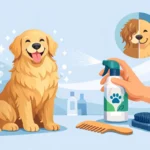
That wet-dog whiff has a way of taking over the whole house, the car and somehow even your clean laundry. If you’re hunting for the best dog cologne for odour, the trick isn’t finding the strongest scent. It’s finding one that actually works with your dog’s skin, coat and grooming routine, so they smell fresh without being doused in something harsh.
A good dog cologne should do two jobs at once. First, it should help neutralise that stale, musty, slightly mysterious dog smell. Second, it should leave the coat smelling clean and feeling pleasant to pat. If it only covers odour for ten minutes and then fades into a weird mix of perfume and kennel, it’s not doing the job.
What makes the best dog cologne for odour?
The best formulas are made for dogs, full stop. That sounds obvious, but plenty of pet owners still reach for human body spray or perfume when the dog starts smelling a bit funky. Bad idea. Dogs have more sensitive skin, a different skin pH and far stronger noses than we do. What smells light and lovely to you can be irritating or overwhelming for them.
A proper dog cologne should be pH balanced for dogs and formulated to sit nicely on the coat without leaving it sticky, greasy or crunchy. It should also avoid the usual ingredient red flags that can make sensitive skin worse, including harsh additives and unnecessary fillers. If your dog already gets itchy after bath time, fragrance alone won’t fix the issue. The formula matters just as much as the scent.
There’s also a difference between a coat freshener and a grooming finish spray. Some colognes are built to be the final touch after a bath or blow-dry, giving the coat a clean, polished scent. Others are better for between washes when your pup needs a little rescue after daycare, the beach, the dog park or a suspicious roll in the grass.
Covering odour versus dealing with it
This is where a lot of people get caught out. A heavily perfumed spray can smell nice for a moment, but if the underlying coat is dirty, damp or oily, the odour will push through fast. The best dog cologne for odour works best on a reasonably clean coat. Think of it as the top layer of freshness, not a substitute for grooming.
If your dog smells bad all the time, there may be more going on than just “dog smell”. Build-up on the coat, skin irritation, damp undercoat, dirty ears, dental issues and even bedding that needs a wash can all play a part. Cologne helps, but it works best as part of the full routine.
That routine does not need to be dramatic. A quality shampoo, a conditioner if the coat needs softness or detangling, regular brushing and a well-formulated cologne can make a huge difference. For professional groomers, this is exactly why finishing sprays are such strong salon add-ons. Clients notice scent immediately, and they associate that fresh smell with a better groom.
How to choose a scent your dog can actually wear
Not every fragrance style works for every dog. A light, clean scent tends to suit most coats because it smells fresh without competing with the dog’s natural coat oils. Sweet, powdery or overly musky scents can be a bit much, especially on dogs with thick coats that hold fragrance for longer.
Puppies, older dogs and sensitive dogs usually do better with softer fragrance profiles. A very active dog that swims, rolls, runs and lives life at full speed may need something with a bit more staying power, but it still shouldn’t smell like it belongs in your handbag.
The sweet spot is a scent that smells expensive, clean and noticeable only when someone comes in for a cuddle. That’s the dream. Your dog should smell amazing, not like they’ve walked through a department store fragrance counter.
Ingredients matter more than the label hype
A fancy bottle and a cute scent name are nice, but they’re not the main event. If you care about your dog’s comfort and coat condition, check what the cologne is made with. Cleaner formulas are worth it, especially if you’re using the product regularly.
Look for dog colognes that are made specifically for canine skin and avoid heavy, outdated ingredients that can weigh the coat down or irritate the skin. Vegan formulas are a plus for many pet owners, and Australian-made products tend to offer an extra layer of trust for shoppers who care about local standards and ingredient quality.
If your dog has dry skin, hotspot history or a tendency to react to new products, patch testing matters. Spray a small amount onto a brush or onto a small area of coat first and see how they go over 24 hours. Even the best formula won’t suit every single dog, because coats and skin types can be wildly different.
How to use dog cologne properly
This is where less is definitely more. Dog cologne should be misted lightly over the coat, not soaked in like room spray. Focus on the body and avoid the face, eyes, nose, ears and any irritated skin. A light spritz on the brush before brushing through can work beautifully, especially for dogs who get suspicious the second a bottle comes out.
It also helps to apply it to a dry coat. Spraying onto a damp dog can make the scent sit oddly or disappear faster. On a freshly groomed coat, cologne acts like the finishing touch. On a completely dirty coat, it can turn into a strange mash-up of scent and grime.
For homes with dogs that love couches, beds and clean linen a little too much, a regular refresh between baths can keep things smelling civilised. Not fake-fresh. Just clean, polished and far less likely to make your guests quietly wonder what that smell is.
Best dog cologne for odour in different coat types
Coat type changes everything. Short-haired dogs can hold scent well without needing much product, but if they’re naturally oily, odour can come back quickly unless the bathing routine is sorted too. Double-coated breeds often trap smells in the undercoat, especially if they stay damp after a wash or swim. In that case, cologne helps, but proper drying is half the battle.
Curly and long-coated dogs usually benefit from a fragrance that also plays nicely with brushing and coat maintenance. If the coat mats easily, the best result comes from pairing cologne with detangling and conditioning support, not treating scent as a standalone fix.
For groomers, this is why product layering matters. A salon-finish scent lands better when the shampoo, conditioner and finishing products are designed to work together. It creates a cleaner result and a longer-lasting fragrance story, rather than a random mix of competing smells.
When dog odour means you should skip the cologne
If your dog suddenly smells stronger than usual, especially if the odour is sour, yeasty or coming from one specific area, skip the fragrance for a minute and look closer. Skin infections, ear issues, dental problems and anal gland trouble can all create odour that no cologne should be trying to hide.
The same goes for broken skin, hotspots or active irritation. Fragrance on compromised skin is rarely a good move. Sort the cause first, then bring the finishing spray back in once the skin is calm and healthy again.
The real answer to choosing well
The best dog cologne for odour is the one that makes your dog smell fresh without bothering their skin, overwhelming their nose or pretending poor grooming doesn’t exist. It should feel like part of a polished routine, not a cover-up job.
If you want the nicest result, choose a dog-specific formula with clean ingredients, a balanced scent and a finish that leaves the coat touchable, not tacky. A good cologne can absolutely lift your whole grooming game, especially when the formula is made with dogs in mind, like the kind you’d expect from a premium grooming brand such as Hound & Soul.
Because let’s be honest – your pup can keep the chaotic energy. The eau de swamp can go.