



A Guide to Dog Grooming Products That Work
A bath can leave your dog looking fluffy, feeling fresh and ready for the couch. Or it can leave you with a damp dog who still smells a bit questionable, a coat full of knots and shampoo splashed halfway up the bathroom wall. The difference often comes down to choosing the right products. This guide to dog grooming products cuts through the crowded shelf so you can build a routine that suits your pup, their coat and your real-life bath-day patience.
Start with the coat, not the cute packaging
A good-looking bottle is always nice, but your dog’s coat type should make the final call. A short-haired Frenchie, a double-coated Golden Retriever and a curly Cavoodle do not need the same grooming line-up. The aim is not to buy every product going. It is to choose a few that clean properly, support the skin and make brushing less of a wrestle.
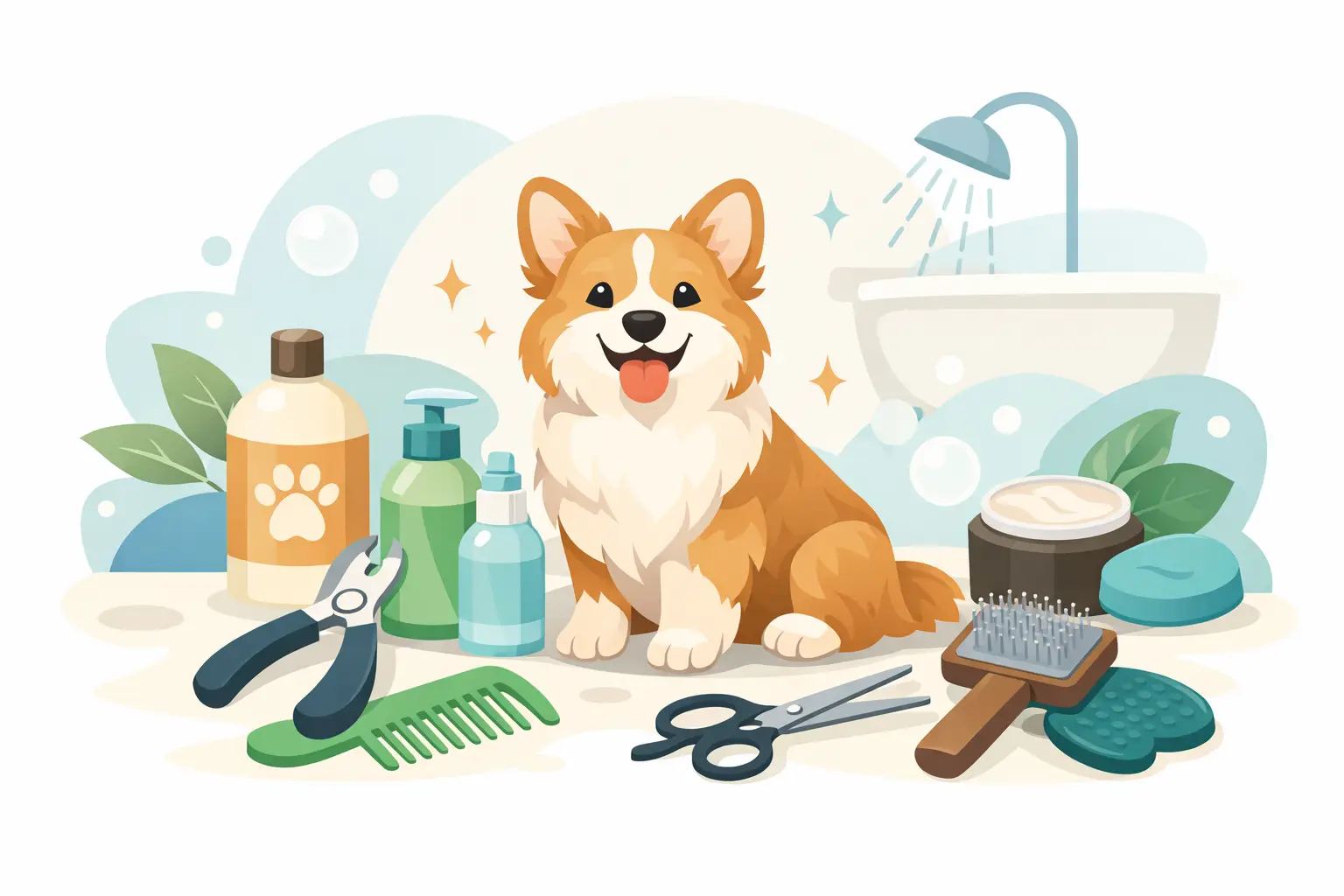
For most dogs, the essentials are a dog-specific shampoo, a conditioner or detangling product where needed, a suitable brush and a fragrance product for between-bath freshness. Add targeted care only when there is a clear reason, such as shedding, dry skin, a curly coat prone to matting or muddy weekend adventures.
Human shampoo is not a clever substitute. Dogs have different skin needs, and products made for us can be too harsh or leave their skin feeling dry. Choose formulas made for dogs and look beyond the front-label claims. A pH-balanced formula without parabens, silicones, petroleum or animal-derived ingredients is a sensible place to start, particularly for regular grooming.
The core products every dog parent should know
Dog shampoo: the non-negotiable
Shampoo removes dirt, excess oil and the unmistakable aroma of wet dog. It should cleanse thoroughly without stripping the coat or making the skin feel tight and itchy. A gentle shampoo is a great everyday choice for dogs with normal skin, while deodorising options earn their place for pups who find every puddle, beach rinse or suspicious patch of grass.
Use shampoo sparingly and dilute it if the product directions recommend it. More suds do not equal a cleaner dog. What matters is working it through the coat, avoiding eyes and ears, then rinsing patiently. Leftover shampoo residue can make skin uncomfortable and dull the finish of a freshly washed coat.
Conditioner: softness with a purpose
Conditioner is not just for dogs with salon ambitions. It helps add slip to the coat, making brushing easier and reducing the tugging that dogs understandably hate. It is especially useful for long, curly, fluffy or frequently tangled coats.
For short-coated dogs, conditioner may be an occasional extra rather than an every-bath necessity. For an oodle, Spaniel or long-haired Dachshund, it can be the product that turns brushing from a full family event into a five-minute job. Apply it evenly, give it the instructed time to work, then rinse well.
Dog fragrance and cologne: freshen up, don’t cover up
Dog cologne is for that clean, cuddly finishing touch between washes. Think of it as a coat refresh, not a fix for ongoing odour. If your dog smells strong soon after bathing, check whether the coat was rinsed properly and speak with your vet if there are signs of skin irritation, ear issues or an unusual smell.
Choose a fragrance created specifically for dogs, then use a light hand. A few sprays over a dry coat is usually plenty. Keep it away from the face, and never spray a dog who is visibly uncomfortable with scented products. The right scent should make cuddle time nicer, not announce your arrival from the other end of the dog park.
Brushes and combs: where the real coat care happens
Brushing spreads natural oils, lifts loose hair and catches knots before they turn into mats. The best tool depends on the coat. Slicker brushes are handy for many medium to long coats, while a pin brush can be gentler for silky hair. A comb is brilliant for checking your work, especially behind the ears, under the collar, around the tail and in the leg feathers where sneaky knots form.
For double-coated dogs, a suitable deshedding tool can help manage seasonal fluff, but go gently. Overdoing it can damage the healthy undercoat. If your dog has a tight, curly coat or persistent mats, a professional groomer is the kindest option. Pulling apart a severe mat at home is uncomfortable for your dog and rarely ends well for anyone.
How to choose products for your dog’s needs
The best guide to dog grooming products is not about chasing a single miracle bottle. It is about noticing what your dog’s coat is telling you. Is it dry and flyaway after washing? Is brushing a battle? Are you vacuuming enough hair to build a second dog? Start there.
A shedding coat benefits from consistent brushing and a gentle bath routine that helps release loose hair. A long or curly coat usually needs conditioning support and more frequent maintenance between professional grooms. Dogs that get muddy often may need regular baths, but this makes mild, skin-conscious formulas even more worthwhile.
Puppies and sensitive dogs deserve an extra-soft approach. Introduce grooming products slowly, use a small amount first and observe how the skin responds. If your dog has redness, frequent scratching, scabs, hair loss or a sudden coat change, skip the guesswork and book a vet visit. Grooming products can keep a healthy coat in great nick, but they are not a substitute for medical care.
A bath-day routine that actually feels manageable
Brush before the bath, especially if your dog has longer hair. Water can tighten tangles and turn small knots into proper mats. Once the coat is free of loose hair and tangles, use lukewarm water to wet it right through. Dense coats can look soaked on top while staying dry underneath, so take your time.
Massage shampoo through the coat rather than scrubbing wildly. A calm, steady approach is easier on the skin and less likely to turn your bathroom into a splash zone. Rinse until the water runs clear and the coat no longer feels slippery, then condition if your dog needs it.
Towel-dry by pressing and patting rather than rough rubbing, which can create tangles. If you use a dryer, keep the temperature comfortable and introduce the noise gradually. Finish with a quick brush once the coat is dry, then add a light dog-safe fragrance if that is part of your routine. Fresh, soft and smug-looking: exactly the brief.
Don’t overlook the small jobs
A clean coat is only one part of grooming. Regularly check nails, ears, teeth and paws. Nails that click loudly on hard floors may be due for a trim, though the right timing depends on your dog’s activity level and how naturally they wear them down. Keep ear care gentle and use products designed for canine ears only.
Paw checks matter after hot footpaths, beach days and bush walks. Look between the toes for grass seeds, burrs or irritation. A quick inspection now can prevent a very expensive drama later.
For homes with more than one dog, or grooming professionals managing a busy schedule, larger salon-sized products can make practical sense. They reduce the chance of running out halfway through bath day and help keep routines consistent. Hound & Soul’s Australian-made, vegan range is designed for both polished home grooming and hardworking salon benches, with coat care that feels as good as it looks.
Your dog does not need a 12-step beauty routine. They need products that suit their skin and coat, calm handling and regular care before little problems become big ones. Find the scent they make your whole house happy to have, keep the brush within reach and make grooming part of the good life you share.