

A Practical Guide to Dog Skin Sensitivities
That sudden scratch behind the ear, the red patch on the belly, the mysterious flakes on a usually glossy coat – dog skin can be delightfully dramatic. This guide to dog skin sensitivities helps you recognise what may be bothering your pup, make sensible grooming changes and know when a vet needs to take the lead.
Skin sensitivity is not a single diagnosis. It is a catch-all term for skin that reacts easily to something in a dog’s environment, routine, diet or grooming cupboard. Some pups have a brief flare-up after rolling in who-knows-what at the park. Others deal with recurring itchiness linked to allergies or an underlying health concern. The trick is not to panic, but not to brush it off either.
What sensitive skin can look like
Sensitive skin does not always announce itself with a big angry rash. Often, the first clue is a change in your dog’s behaviour. They may scratch, lick or nibble one spot repeatedly, rub their face along the carpet, shake their head, or seem unsettled after a bath.
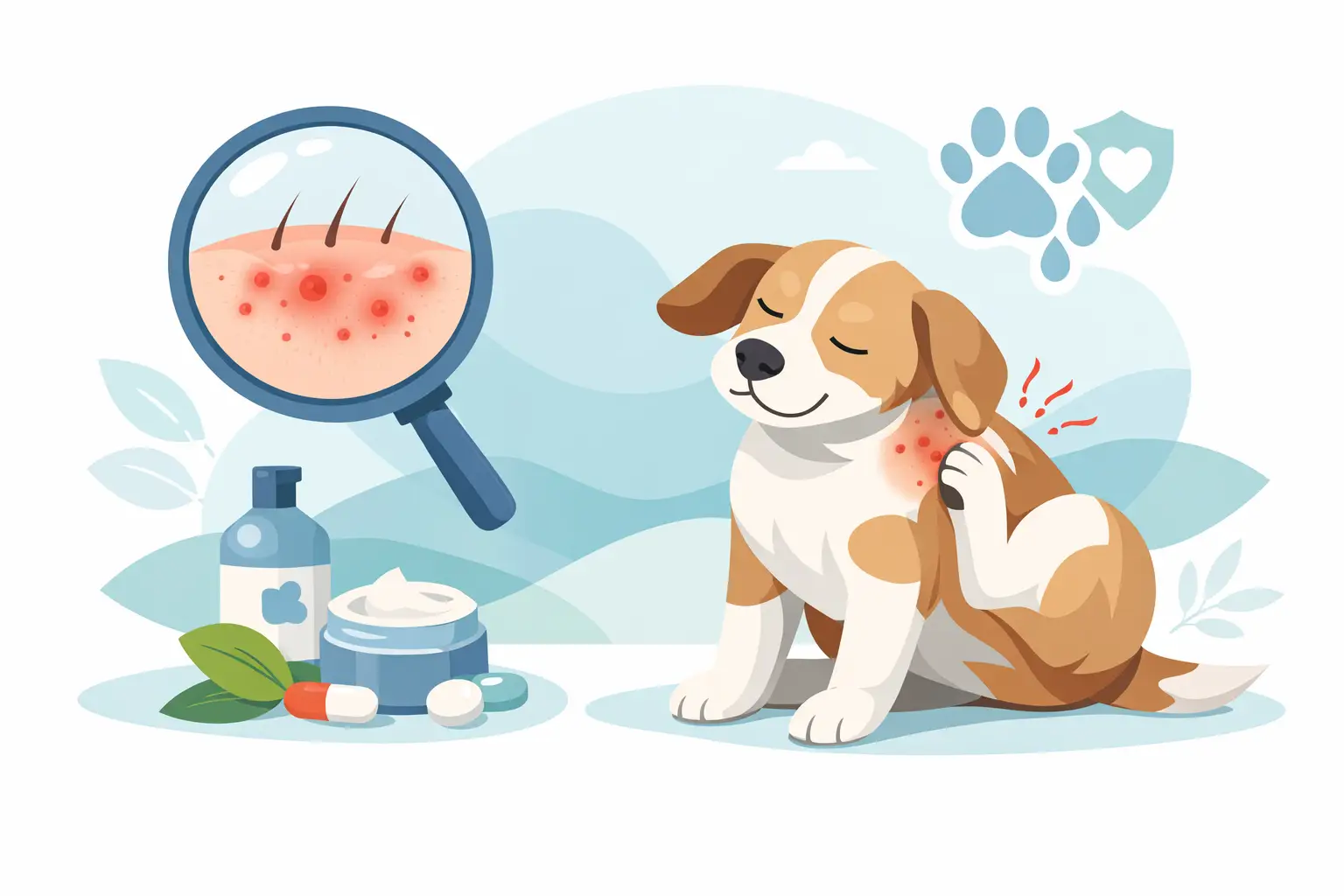
On closer inspection, you might notice redness, dry flakes, small bumps, scabs, thinning fur or a greasy-looking coat. Their skin may smell musty or sour, particularly around folds, paws and ears. A strong odour can be a sign that the skin barrier is struggling, or that a yeast or bacterial infection is joining the party.
The location provides helpful clues. Itchy paws and ears are commonly seen with environmental or food-related allergies. A rash on the belly can follow contact with grass, cleaning products or floor treatments. Sensitivity under a collar or harness may point to friction, trapped moisture or a product residue. Still, clues are not conclusions. Many skin conditions look alike, which is why persistent symptoms deserve professional advice.
Common triggers for dog skin sensitivities
A dog’s skin is their first line of defence, and it has plenty to contend with: dust, pollen, parasites, mud, heat, grooming, household products and the occasional questionable puddle. Common triggers include:
- Fleas and other parasites: Even one flea bite can cause intense irritation in a dog with flea allergy dermatitis. Check that parasite prevention is current and appropriate for your dog.
- Environmental allergens: Grass, pollen, dust mites and mould can trigger seasonal or ongoing itchiness, particularly on paws, ears and the underside of the body.
- Harsh or unsuitable products: Human shampoo, heavily fragranced household cleaners and grooming formulas not made for dogs can strip natural oils or leave irritating residue behind.
- Food reactions: Food allergies are less common than many pet parents think, but they can happen. They usually require a vet-guided elimination diet to investigate properly.
- Heat, moisture and friction: Damp paws, skin folds, wet coats and gear that rubs can create a perfect environment for irritation and infection.
Some dogs are simply more prone to sensitive skin. Puppies are still getting used to the world, while older dogs may have thinner skin or medical conditions that affect coat quality. Breed, coat type and lifestyle all play a part too. A fluffy beach regular will need a different routine from a short-coated lounge specialist.
A gentle guide to dog skin sensitivities at bath time
Bath time should leave your dog clean, comfortable and ready for compliments, not itchy by dinner. Start by using a shampoo made specifically for dogs. Human skin and dog skin have different pH needs, so your own shampoo is not a clever substitute, no matter how lovely it makes your hair smell.
Choose formulas with clear ingredient information and avoid products that rely on harsh detergents or unnecessary fillers. For dogs with a history of reactions, fewer variables are usually better. Introduce one new grooming product at a time and give it several days before adding another. That makes it far easier to identify a possible trigger if your pup becomes itchy.
Fragrance deserves a balanced approach. A beautifully scented dog is a joy, but a dog with actively irritated skin may need a simpler routine while you work out the cause. If your dog has tolerated a dog-specific fragrance or cologne well in the past, that is useful information. If irritation begins after a new product, stop using it and monitor the skin rather than layering on another scent to cover any odour.
Before a full bath with a new product, test a small amount on a limited area as directed on the label and watch for redness or extra scratching. This is not a replacement for veterinary testing, but it is a sensible precaution for known sensitive souls.
Rinsing matters just as much as shampoo choice. Leftover product can irritate the skin, especially in thick coats, under the legs and around the belly. Rinse thoroughly with lukewarm water, then towel-dry well. Do not leave a dense coat damp for hours, particularly in humid weather. If you use a dryer, keep it on a comfortable setting and avoid blasting one area for too long.
Build a low-fuss skin-friendly routine
When skin is unsettled, resist the urge to throw every soothing product at the problem. A streamlined routine is easier on your dog and gives you clearer information about what is helping.
Brush regularly for your dog’s coat type. Brushing removes loose hair, dirt and tangles that hold moisture close to the skin. It also gives you a chance to spot lumps, fleas, redness or tender patches early. Be gentle around mats. Pulling through a knot can irritate already-sensitive skin, and severe matting may need a professional groomer’s help.
Wash bedding regularly with a mild, dog-safe laundry option, and keep blankets properly dry before they go back into the bed. Wipe paws after grassy walks if your dog is prone to seasonal itch, especially during high-pollen periods. A quick rinse and dry can remove allergens without turning every walk into a full bath situation.
Check collars, harnesses and jumpers for rubbing. Gear should sit securely without digging in, and it should be cleaned often enough that sweat, dirt and product residue do not build up. Take wet accessories off promptly after rain, a swim or an enthusiastic splash in the water bowl.
For everyday grooming, look for dog-specific formulas that are pH balanced and thoughtfully made. Hound & Soul’s Australian-made grooming range, for example, is vegan and formulated without parabens, silicones or petroleum – the kind of ingredient-conscious approach many pet parents want when keeping a routine gentle.
When it is time to call the vet
A little itch that settles quickly may be manageable with a calm routine and close observation. But ongoing skin trouble is uncomfortable for dogs and can become harder to treat once the skin barrier breaks down. Call your vet if itching lasts more than a few days, keeps returning, disrupts sleep or causes hair loss.
Book promptly if you see open sores, bleeding, swelling, pus, a strong smell, darkened skin, ear discharge or obvious pain. Facial swelling, hives, vomiting, weakness or trouble breathing after exposure to a product, food or insect sting should be treated as urgent.
Your vet may check for parasites, infection, ear disease or allergies, and may recommend skin tests, cytology, medication or a controlled diet trial. Take photos of flare-ups and keep notes on timing, walks, foods, treats, grooming products and parasite prevention. That small detective file can save a lot of guesswork.
Professional groomers are also valuable eyes on the coat and skin. They can flag changes they notice during a groom, but they should not be expected to diagnose a medical condition. If a groomer recommends a vet check, take it as a caring heads-up from someone who has seen plenty of pups under the fluff.
Give their skin a little breathing room
The goal is not a perfectly perfumed, never-muddy dog – although we do love a fresh coat moment. It is a comfortable dog with skin that can do its job. Keep the routine gentle, make changes one at a time and listen when your pup’s scratching says something is not quite right. A little patience now can mean more carefree naps, happier walks and many more cuddle-ready days ahead.