



Dog Cologne vs Perfume: What’s Safe for Pups?
That just-washed-dog smell should not disappear the second your pup rolls on the rug, trots through the garden or claims the wettest patch at the dog park. But when it comes to dog cologne vs perfume, the label matters far less than the formula. A fragrance made for dogs can be a lovely finishing touch. Your own eau de parfum? Best left on the bathroom shelf.
For pet parents who want a fresh-smelling cuddle buddy without taking chances on their skin or coat, the goal is simple: choose a fragrance designed for dogs, use it lightly, and never let scent cover up a grooming issue that needs attention.
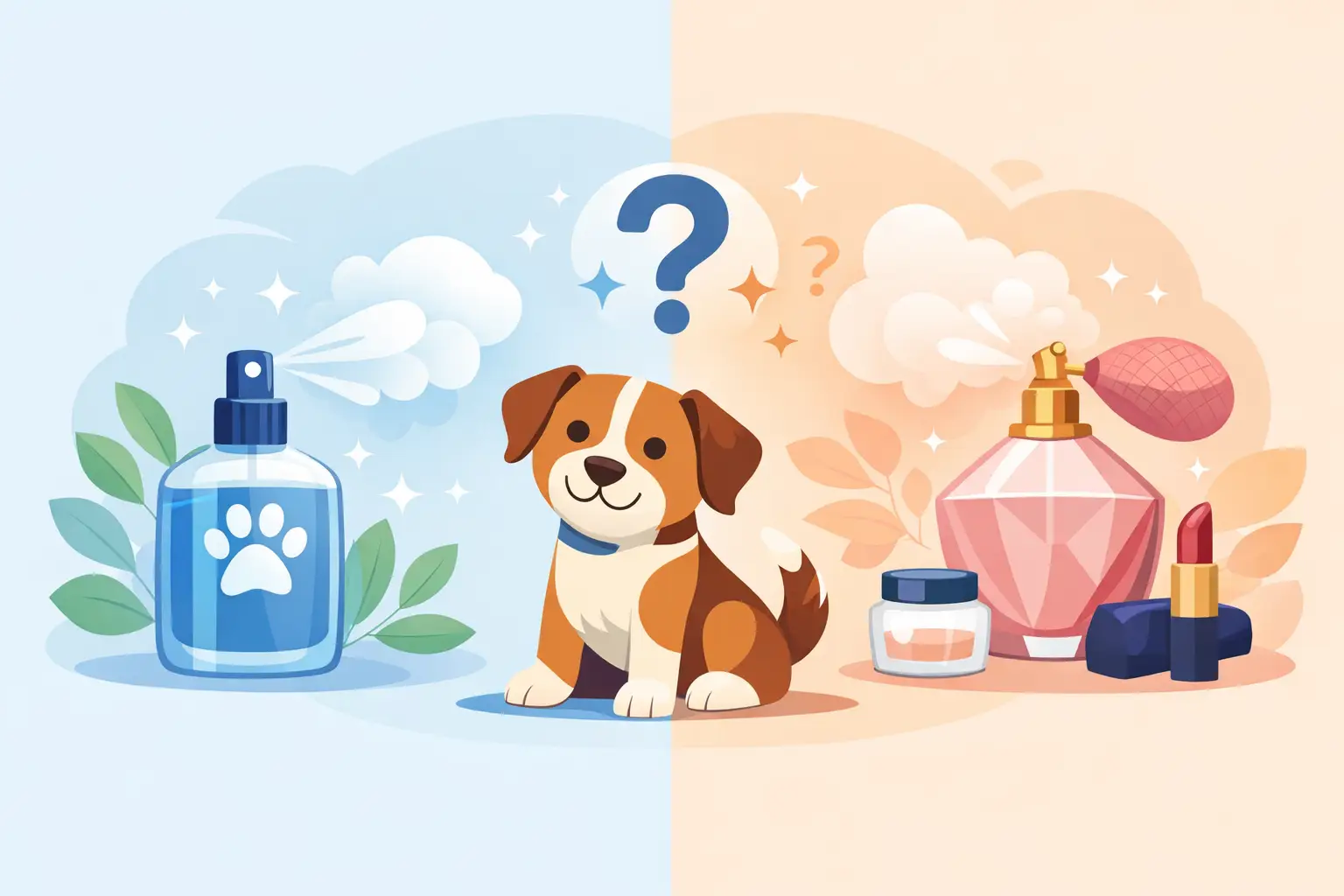
Dog cologne vs perfume: is there actually a difference?
In the pet world, “cologne” and “perfume” are often used interchangeably. Both describe scented products made to leave a pleasant fragrance on your dog’s coat. You may see a dog fragrance called a cologne because it sounds clean, light and easy to use, while “perfume” can suggest a more noticeable or luxe scent.
The meaningful difference is not really the name on the bottle. It is whether the product was formulated specifically for canine skin, coats and grooming routines.
A quality dog cologne is generally designed to be misted onto a dry coat after bathing, brushing or between washes. It should smell gorgeous without feeling sticky, weighing down the coat or turning your dog into a walking fragrance cloud. The best formulas complement a clean coat rather than trying to disguise a pong that needs a proper wash.
Human perfume, however fancy its bottle may be, is made for human skin. It can contain high levels of alcohol, fragrance compounds and ingredients that may irritate a dog’s more sensitive skin. Dogs also experience the world nose first. What smells softly floral or fresh to us may be wildly intense for them.
So, can a product labelled “dog perfume” be safe? Absolutely, if it is formulated for dogs and used as directed. Can a product labelled “dog cologne” be a poor choice? Also yes, if the ingredient approach is unclear or it is not designed for pets. Read beyond the front label.
Why human perfume is a hard no for dogs
It is tempting to give your pup one tiny spritz before visitors arrive or family photos begin. Resist it. Human fragrance is not tested or balanced with dogs in mind, and even a small amount can cause trouble for sensitive pets.
Alcohol-heavy formulas can dry or irritate the skin. Strong fragrance may trigger scratching, rubbing, sneezing or watery eyes. More concerningly, dogs lick their coats. Anything sprayed on their fur has a chance of ending up in their mouth, particularly around the chest, legs and back end.
Essential oils deserve the same common-sense caution. “Natural” does not automatically mean dog-friendly. Some essential oils can be unsuitable for dogs, especially at concentrated levels, and blends can be difficult for pet parents to assess at home. A dog-specific product from a transparent brand is the much smarter pick.
If your dog has a history of allergies, dermatitis, seizures, respiratory sensitivity or skin flare-ups, chat with your vet before introducing any scented grooming product. The same goes for puppies, senior dogs, pregnant dogs and pets with broken or inflamed skin.
What to look for in a dog fragrance
A good dog cologne should earn its place in your grooming kit. It should make the coat smell fresh, feel lovely and fit comfortably into a skin-conscious routine.
Start with a product explicitly made for dogs. Look for clear directions, sensible application guidance and a brand that is open about its formulation standards. Dog-friendly fragrance should be used as a light finishing mist, not as a substitute for washing, brushing or treating an underlying skin issue.
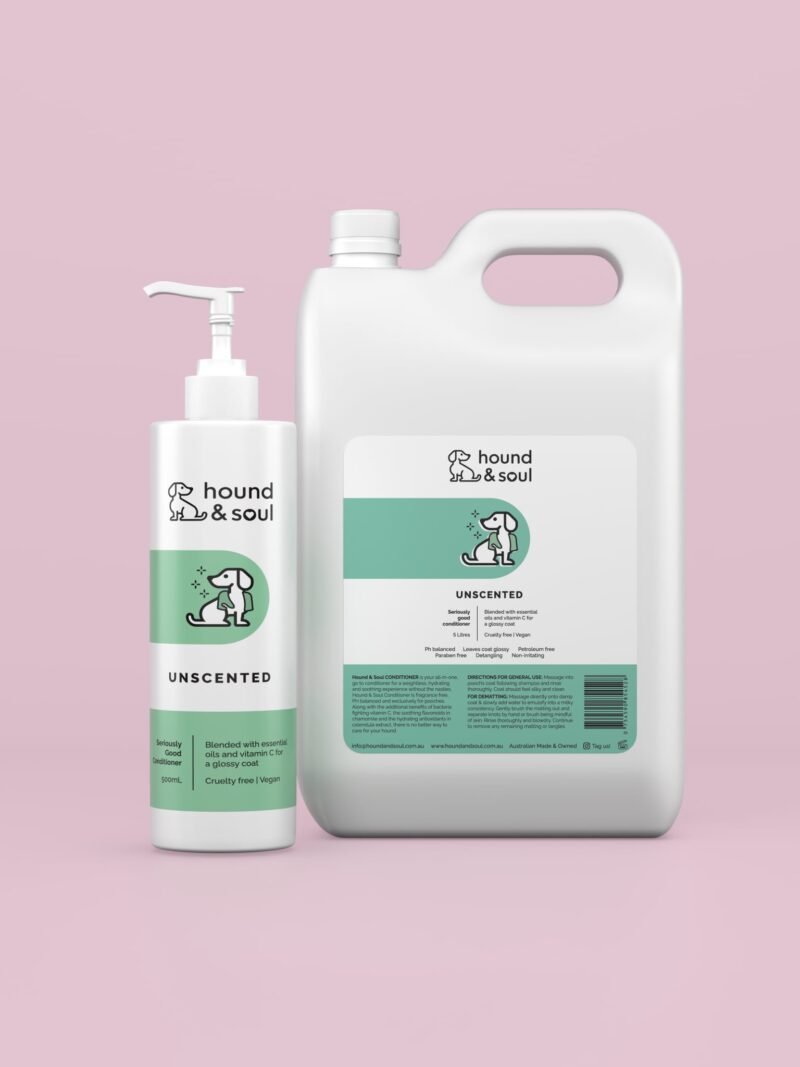
For many pet parents, ingredient standards matter too. Products that avoid harsh or unnecessary additions can be a better fit for regular use, particularly on dogs with easily irritated skin. Hound & Soul’s Australian-made grooming range, for example, is 100% vegan, pH balanced and made without parabens, silicones, petroleum or animal-derived ingredients.
The fragrance style matters as well. A gentle scent that sits close to the coat is usually more enjoyable than something overpowering. Think polished pup after a fresh groom, not “someone emptied a perfume counter in the laundry”. Your dog should still smell like your dog, just cleaner.
How to apply dog cologne without overdoing it
Less is more. Even a beautiful dog-safe scent can become too much if you spray it like body mist before a Saturday night out.
Apply fragrance only to a clean, dry coat. After a bath, towel-dry your dog thoroughly, then allow the coat to dry fully before adding cologne. This helps the scent sit evenly and prevents you from trapping dampness close to the skin. For in-between refreshes, give the coat a quick brush first to remove loose hair, dust and small bits of backyard evidence.
Hold the bottle away from your dog and mist lightly across the body. Keep it well clear of the face, eyes, ears, nose, mouth, genitals and any irritated skin. Avoid spraying the paws too, because they are prime licking territory. For smaller dogs, one light spritz may be plenty. Bigger, fluffier coats may need a little more, but build up slowly rather than going full fog machine.
If your dog is wary of spray bottles, mist the product onto a grooming brush or your hands first, then lightly work it through the outer coat. This can feel less startling and gives you more control. Always follow the instructions on the specific product, as concentration and intended use vary.
After the first use, watch your dog for a day or two. Excessive scratching, rubbing on furniture, redness, dandruff, sneezing or unusual licking are all signs to stop using the product. Wash the area with a gentle dog shampoo if needed, and contact your vet if symptoms continue or seem severe.
Cologne is not a cure for dog odour
A fresh scent is a finishing touch, not a cover-up job. If your dog has a persistent or suddenly stronger smell, spraying more fragrance is unlikely to solve it. It may even make the scent situation worse. There is only so much even the world’s best dog cologne can do against wet-coat funk, stale bedding or a dog who has found something deeply questionable in the garden.
Regular bathing with a dog-specific shampoo, followed by conditioner where suitable, creates the clean base that fragrance needs. Brushing also matters more than many people realise. It removes loose fur, helps distribute natural oils and stops dirt from hanging about in dense coats. Don’t forget the practical stuff: wash bedding, clean collars and harnesses, and dry your dog properly after rain, swims or bath time.
Persistent odour can sometimes point to an issue beyond grooming, such as a skin infection, ear problem, dental disease or anal gland trouble. If the smell is sour, yeasty, fishy, unusually strong or paired with itching, head shaking, redness or discomfort, book a vet check rather than reaching for another spritz.
A scent routine your dog can live with
For most dogs, the sweet spot is a clean coat, regular brushing and an occasional light mist of dog-specific fragrance when they need a little polish. Save the cologne for after a groom, before guests arrive, or when your pup is looking particularly adorable and clearly deserves main-character treatment.
Your dog does not need to smell like a department store. They just need thoughtful grooming, comfortable skin and a signature scent that makes cuddle time even better.