



Why Choose Silicone Free Dog Conditioner?
That glossy, super-slippery feel some conditioners leave behind can seem like a win – right up until your dog’s coat starts feeling heavy, flat or oddly coated a few washes later. That’s where silicone free dog conditioner earns its place in the grooming routine. If you want softness, shine and easier brushing without the fake-silky residue, going silicone free is a smart move.
For plenty of dog owners, the switch happens after noticing a coat that looks decent for a day or two, then turns dull, limp or harder to manage. For groomers, it often comes down to performance over time. A conditioner should support the coat, not sit on top of it pretending everything’s fine.
What is silicone free dog conditioner?
A silicone free dog conditioner is exactly what it sounds like – a conditioning formula made without silicone-based ingredients that coat the hair shaft to create slip and shine. In dog grooming, silicones are sometimes used to make coats feel instantly smoother and easier to comb through. The catch is that this cosmetic effect can be temporary.
That doesn’t mean every silicone-containing product is automatically terrible. It does mean they can create build-up over repeated use, especially on certain coat types or when the coat is washed often. Silicone free formulas tend to focus more on conditioning agents, moisturising ingredients and coat-friendly botanicals that improve feel and manageability without that coated finish.
For dogs with regular bath schedules, sensitive skin concerns or coats that need to stay light and fluffy, this difference matters more than people think.
Why dog owners are moving to silicone free formulas
The appeal is pretty simple. You want your dog clean, soft and cuddle-worthy, but you probably don’t want unnecessary build-up hanging around on the coat. Silicone free dog conditioner is popular because it can help the coat feel naturally soft rather than artificially slick.
There’s also the ingredient-conscious side of things. Pet parents are reading labels more closely now, and not just on food. They’re paying attention to what goes on the coat and skin too. If you already prefer products that are pH balanced, vegan and free from harsh extras, silicone free grooming makes sense as part of that same mindset.
Then there’s the practical grooming angle. A lighter conditioner can be a better fit when you want bounce, movement and easier rinsing. Nobody wants to spend bath time trying to rinse out a formula that feels like it’s hanging on for dear life.
The real benefit of silicone free dog conditioner
The biggest benefit is coat feel over time. Not just the first wash, but the fourth, sixth and tenth. Silicone-free conditioning is often better at keeping the coat touchable, fresh and manageable without slowly weighing it down.
That can be especially helpful for dogs with fine coats, curly coats, fluffy double coats or hair that mats easily. Heavy residue can make some coats clump together or lose their natural texture. A well-made silicone free conditioner helps with softness and detangling while still letting the coat behave like a coat.
There’s also a finish difference. Silicone-heavy products can deliver exaggerated shine, but it can look a bit too polished in an unnatural way. A silicone free formula usually gives a cleaner, healthier-looking result – more fresh blow-dry, less plastic sheen.
If your dog gets frequent baths, this matters even more. Repeated use of heavy formulas can lead to a cycle where the coat needs stronger cleansing just to reset. A lighter conditioning routine can make ongoing coat care easier.
Is silicone always bad?
Not necessarily. This is where a bit of nuance helps.
Silicones are used because they do something people like – they add slip, tame frizz and make detangling feel easier in the moment. For some dogs with extremely dry coats or very specific grooming needs, a silicone-based product may create the finish a groomer is after for a short period.
But for everyday use, many dog owners prefer to skip them. If your goal is a coat that feels clean, soft and naturally healthy rather than coated, silicone free is often the better long-term choice. It depends on the coat, the bathing frequency and what result you’re chasing.
For pet parents, that usually means looking beyond the instant feel after rinsing. The better question is: how does the coat behave a few days later? Is it still soft? Is it fluffy? Is it easier to brush? Or does it start feeling heavy, tacky or flat?
Which coats benefit most from silicone free dog conditioner?
Some coats really show the difference.
Fine and silky coats
Fine coats can be easily weighed down, so a silicone free formula helps keep movement and softness without making the hair sit limp. If your dog’s coat loses body quickly, this is worth paying attention to.
Curly and oodle-type coats
Curly coats need moisture and slip, but they also need bounce. A conditioner that is too heavy can make curls lose shape or encourage faster build-up between grooms. A lighter, well-balanced formula can make brushing easier without flattening the coat.
Double coats
For spitz breeds, retrievers and other double-coated legends, heavy residue is rarely the vibe. These coats need to stay clean, airy and properly rinsed. Silicone free conditioning can soften the outer coat without smothering it.
Matt-prone coats
If your dog tangles at the mere suggestion of wind, conditioner matters. Silicone free doesn’t mean ineffective. A good formula can still help with detangling while keeping the coat fresher between washes.
What to look for in a good conditioner
If you’re shopping for a silicone free dog conditioner, don’t stop at the front label. The best formulas usually balance performance with ingredient restraint.
Look for a conditioner that is dog-specific and pH balanced, because your shampoo and conditioner lineup should work with canine skin rather than against it. Moisturising ingredients should support softness and coat condition without leaving greasy residue. Vegan formulations are a bonus for ingredient-conscious households, and Australian-made products often give buyers extra confidence around quality and standards.
Texture matters too. A good conditioner should spread easily, rinse cleanly and leave the coat manageable after drying. If the formula feels overly waxy or leaves the coat strange even after a proper rinse, that’s not premium grooming – that’s product drama.
Fragrance is another consideration. Plenty of dog owners want that just-groomed freshness, and fair enough. The trick is choosing coat care that smells gorgeous without compromising coat performance. Soft, manageable and delicious-smelling is the sweet spot.
How to use silicone free dog conditioner properly
Even the best conditioner can underperform if it’s slapped on like a last-minute afterthought.
Start with a proper shampoo to remove dirt, odour and excess oil. Conditioner works better on a clean coat, not one still hanging onto grime from the dog park. Work the product through evenly, paying extra attention to dry areas, feathering and sections prone to tangles.
Leave it on for the recommended time rather than rinsing immediately. This part gets skipped all the time, and it makes a difference. Then rinse thoroughly. A silicone free formula usually rinses more cleanly, which is good news for both home bathers and busy salons.
Once dry, check the coat honestly. You’re looking for softness, a clean finish and easier brushing. Not residue. Not limpness. Not that weird over-conditioned feel where the coat seems confused about its identity.
Why groomers often prefer lighter conditioning
Professional groomers know that coat finish is only part of the story. They also care about how the coat handles clipping, scissoring, brushing and drying. Products that create too much build-up can get in the way of that.
A silicone free dog conditioner can be a strong choice in salon settings because it supports repeat grooming without layering on unnecessary residue over time. That’s especially useful for dogs on a regular grooming schedule. Cleaner formulas can help maintain consistency from appointment to appointment, which is exactly what groomers want.
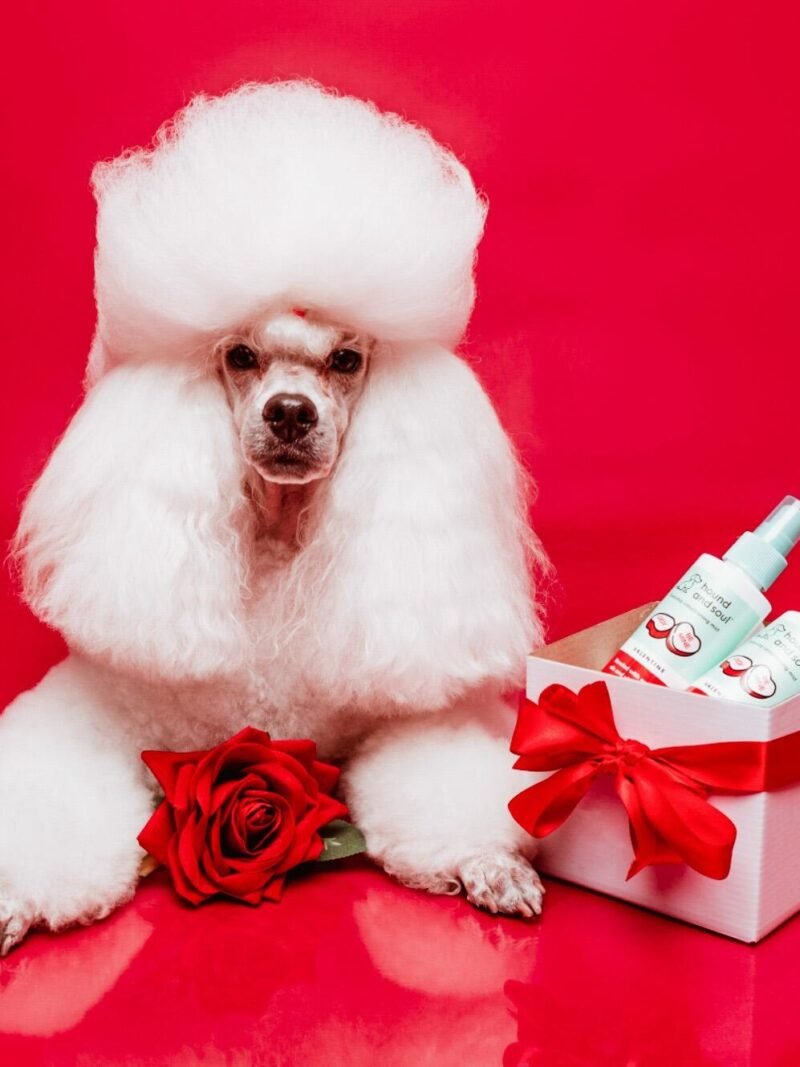
It also makes retail sense. Pet owners are more ingredient-aware than ever, and many actively seek grooming products that align with cleaner formulation standards. That’s one reason brands like Hound & Soul have leaned into vegan, silicone-free coat care with a bit of polish and a lot of purpose.
So, is it worth switching?
If your dog’s coat feels heavy, goes dull quickly or seems harder to manage the more you wash, yes – it’s worth switching. If your current conditioner gives instant slip but not much lasting coat quality, same answer.
A silicone free dog conditioner won’t rely on smoke and mirrors. It’s there to support softness, manageability and a cleaner finish that holds up after bath day. For most dogs, that’s a better kind of beauty routine.
Your dog doesn’t need a coat that feels fake-fancy for five minutes. They need one that feels good, brushes well and still smells ridiculously nice when they nick your spot on the couch.