

How to Make Dogs Smell Better at Home
Your dog can be adorable, freshly brushed and wearing a bow that deserves its own photo shoot – and still smell a bit off by lunchtime. If you’ve been wondering how to make dogs smell better without overbathing or using harsh products, the answer usually isn’t more fragrance. It’s better grooming, better coat care and a smarter look at where the smell is actually coming from.
Dog odour tends to build in layers. There’s the natural dog smell, then there’s trapped dirt, skin oils, damp fur, yeasty paws, funky ears, old bedding and that mysterious eau de backyard that appears five minutes after a bath. The good news is most of it is manageable when you stop treating the smell and start treating the cause.
How to make dogs smell better without overdoing it
The fastest way to make a dog smell nicer is usually a proper bath followed by a dog-safe fragrance or deodorising spray. But if you rely on that alone, the fresh smell rarely lasts. A clean, nice-smelling coat starts with skin health, coat condition and regular upkeep between washes.
That matters because a dry, irritated coat can actually hold odour more easily. So can a thick undercoat packed with loose fur, moisture or grime. Even the sweetest dog cologne won’t do much if it’s landing on dirty fur. Think of scent as the finishing touch, not the rescue mission.
A better routine usually looks like this: use a gentle pH balanced shampoo, follow with conditioner if the coat needs softness or detangling, dry properly, brush often and freshen up lightly between baths. That approach gives you a coat that smells cleaner for longer and feels better too.
Start with the bath, but do it properly
If your dog still smells odd straight after washing, the bath itself may be the problem. A quick rinse and a blob of shampoo on the back won’t cut it, especially for double-coated breeds, oodles or dogs with dense coats.
Wet the coat thoroughly first. This takes longer than most people think. Then work shampoo through the whole coat, down to the skin, and give it a minute to do its job. Areas like the neck, chest, paws, bottom and beard tend to hang onto smell, so don’t rush them.
Rinsing matters just as much as washing. Leftover product can cause build-up, irritation and that not-quite-clean smell a day later. If your dog has a long, curly or high-maintenance coat, a conditioner can help reduce tangles and keep the coat smoother, which means less grime getting trapped between grooms.
Then dry the coat properly. A damp dog is basically a moving mildew memory. Towel drying helps, but for thicker coats you may need a pet dryer or a proper blow-dry on a low, coat-safe setting. If the undercoat stays damp, the smell will come back fast.
Brushing does more than make the coat look pretty
A lot of dog owners reach for shampoo when the real answer is the brush. Regular brushing removes loose hair, spreads natural oils and lifts out the dust and debris that contribute to stale coat smell. It also stops mats from forming, and mats are notorious for trapping moisture and odour.
How often you brush depends on the coat. A short-haired dog might only need a quick once-over a few times a week. A long-coated or curly dog may need daily maintenance. If your dog gets that greasy, slightly musty smell between baths, brushing more often can make a noticeable difference.
The right tool matters here. Slicker brushes, combs and de-shedding tools all do different jobs. If the brush is wrong for the coat, you’ll either miss the loose fur or irritate the skin. Neither helps the smell situation.
The sneaky spots that make dogs stink
Sometimes the coat isn’t the main issue at all. If you want to know how to make dogs smell better for real, check the small zones that cause big odour.
Ears are a major one. Healthy ears shouldn’t smell strongly. If they do, especially with redness, discharge or frequent scratching, it may be time for a vet check rather than another spray.
Paws are another repeat offender. Dogs walk through everything, then lick their feet, then hop on the couch like they pay the mortgage. Wiping paws after walks can cut down a lot of everyday pong, especially in wet weather. If the paws smell oddly cheesy or yeasty, though, that can point to skin irritation or infection.
The mouth matters too. Bad breath isn’t just unpleasant. It can be a clue that dental care has been neglected. Teeth cleaning products, dental chews and regular vet dental checks all help, because no coat mist in the world can outwork rotten breath.
And then there’s the rear end. Anal gland issues can create a very distinct fishy smell that has nothing to do with grooming products. If the odour is strong or keeps returning, it’s worth getting checked professionally.
Use fragrance as the top note, not the whole routine
A good dog fragrance can be brilliant. It gives that fresh-from-the-groomer finish and helps your pup smell polished between washes. But dog cologne should always be made for dogs, not borrowed from your own bathroom shelf.
Human perfumes often contain alcohol and ingredients that can irritate canine skin. Dog-safe fragrances are formulated with their skin in mind, and the better ones are designed to leave the coat smelling lovely without feeling heavy or sticky.
The trick is using the right amount. A light mist over a clean coat, or onto a brush before grooming, tends to work better than a direct, dramatic dousing. You want your dog to smell fresh and fabulous, not like they fell into a department store fragrance counter.
If clean formulation matters to you, look for products that are pH balanced, vegan and free from parabens, silicones, petroleum and animal-derived ingredients. Premium grooming should smell good, yes – but it should also respect the skin underneath.
Bedding, collars and the house count too
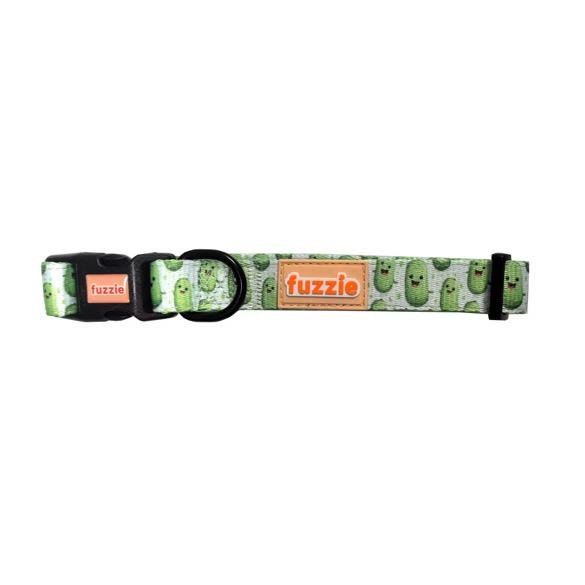
Here’s the annoying truth: sometimes your dog smells fine, but their stuff does not. Dirty bedding, unwashed jumpers, soggy harnesses and collars that have seen one too many beach walks can transfer odour straight back onto a clean coat.
Wash bedding regularly and let it dry completely before using it again. Fabric accessories need the same attention, particularly in summer or after wet weather. Collars and harnesses sit close to the coat all day, so if they smell musty, your dog probably will too.
Soft furnishings at home can also hold that lingering dog smell. If your dog claims a particular couch cushion as their throne, that area may need a refresh more often than you think. Clean dog, dirty house is a losing battle.
When smell points to a health issue
Not every odour problem is a grooming problem. If your dog suddenly smells stronger than usual, has greasy skin, constant itching, ear odour, a yeasty smell or a coat that feels dull and unhealthy, there may be something else going on.
Allergies, skin infections, dental disease and gland issues can all change how a dog smells. Even diet can play a part. Some dogs have sensitive skin that flares up with certain foods or environmental triggers, and that inflammation can affect the coat and skin barrier.
This is where it pays not to mask the smell and move on. If the odour is persistent, unusual or paired with discomfort, get a proper opinion. Great grooming supports skin health, but it doesn’t replace veterinary care.
A routine that actually keeps dogs fresher for longer
The best-smelling dogs usually aren’t getting bathed constantly. They’re getting consistent care. That means bathing on a sensible schedule, brushing before the coat gets messy, drying thoroughly, keeping ears and paws clean, washing accessories and using fragrance as a finishing touch rather than a cover-up.
For some households, that routine is simple and quick. For others, especially with fluffy breeds or busy family life, it helps to keep a proper coat-care setup on hand with shampoo, conditioner, a brush that suits the coat and a freshening spray for in-between days. That’s where a premium grooming range really earns its keep. Brands like Hound & Soul have built their range around that exact balance – scent, coat performance and dog-safe formulation.
Your pup doesn’t need to smell like a bouquet. They just need to smell clean, cuddly and slightly superior to every other dog at the park. Start with the coat, be honest about the source of the funk, and let the nice scent be the cherry on top.